Where interior design meets education
For Ayse Begum Bozkaya, interior design has never been about decoration alone. It has always been about people. It focuses on how they move through space, how they feel within it, and how thoughtfully designed environments can shape behaviour, wellbeing and experience.
A BA and MA Interior Design graduate of the National Design Academy, Ayse has built a specialist, purpose-led career designing learning environments for early years education. Her journey shows how interior design can become a powerful foundation for designing human experience. This is particularly relevant in spaces where learning, development and care intersect.
During her studies, Ayse’s design-led approach was recognised beyond the academy. In 2021, her sustainable retail interior design project was featured on Dezeen as part of the National Design Academy Degree Show, highlighting her early commitment to research-led, socially responsible design and marking an important foundation in her professional journey.
Originally from Turkey and now working internationally, Ayse’s career reflects the flexibility and depth of an interior design education rooted in research, user-centred thinking and real-world application.
What first sparked your passion for interior design?
As a child, I loved staying in hotels during our family travels. I was captivated by how each hotel expressed a unique character through its interior design. I saw them as homes rather than temporary spaces, and I loved the idea of creating memories within them. Even then, I found myself sketching floorplans and imagining different spatial possibilities. That early fascination grew into a lifelong passion for design.
Who are your biggest design inspirations?
I recently had the extraordinary opportunity to meet one of my favourite designers, Takaharu Tezuka, at PULSE 2025, where I was invited as a speaker and panelist. Having studied his work, especially the iconic Fuji Kindergarten during my university years, it felt surreal to share the same platform and stage as him.
I am also drawn to the fluidity and movement in Zaha Hadid’s designs. I especially love her futuristic paintings like Malevich’s Tektonik and London 2066.
At the same time, as I mentioned in my PULSE 2025 speech, many of history’s greatest architectural achievements were created long before computer-aided design existed, with nothing more than pencil and paper. For that reason, I also draw inspiration from masters like Filippo Brunelleschi and Mimar Sinan.

How did interior design lead you into learning space design?
During my BA (Hons) and MA in Interior Design with the National Design Academy, I began to explore how interior design could be applied beyond traditional residential or commercial settings.
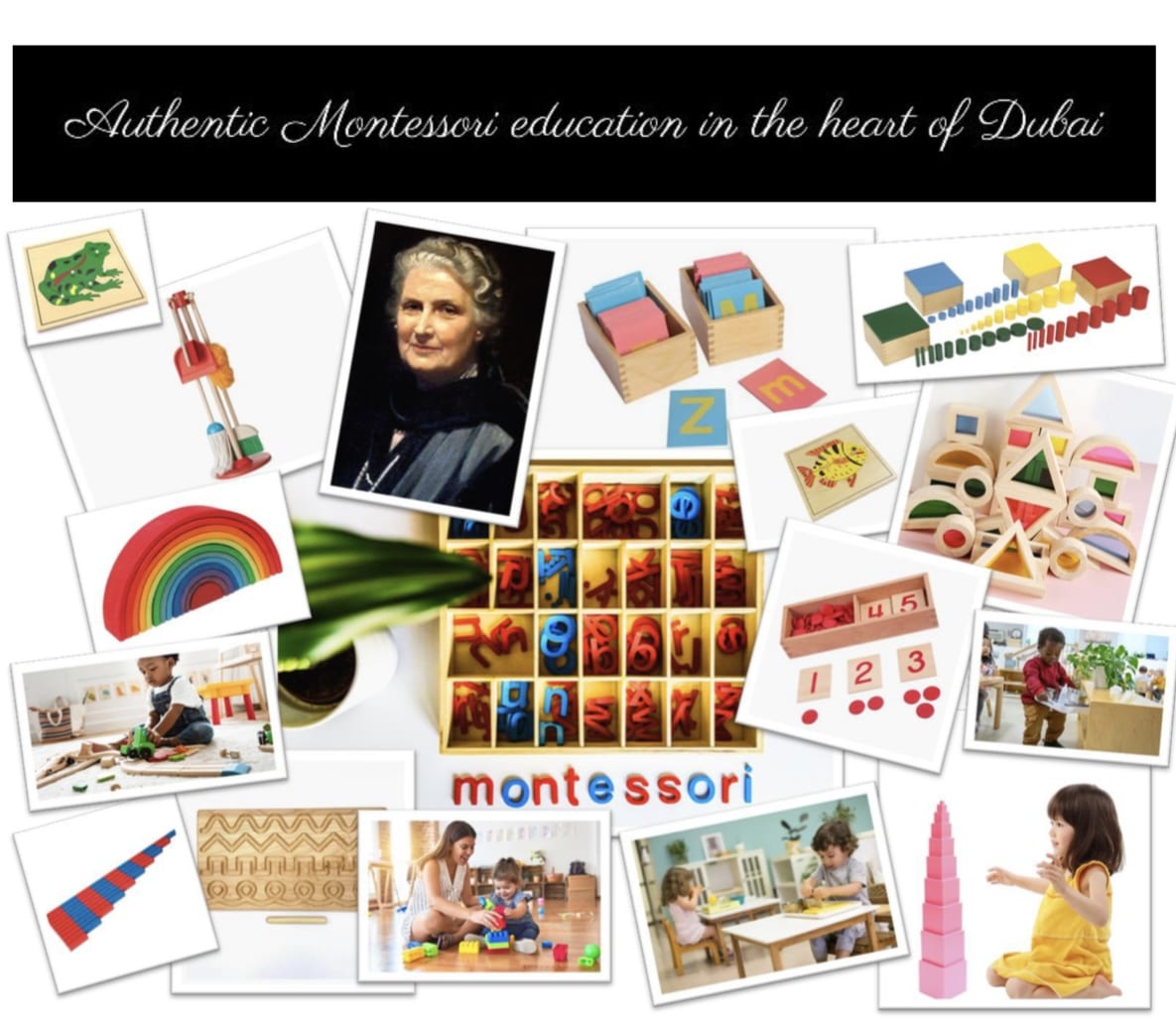
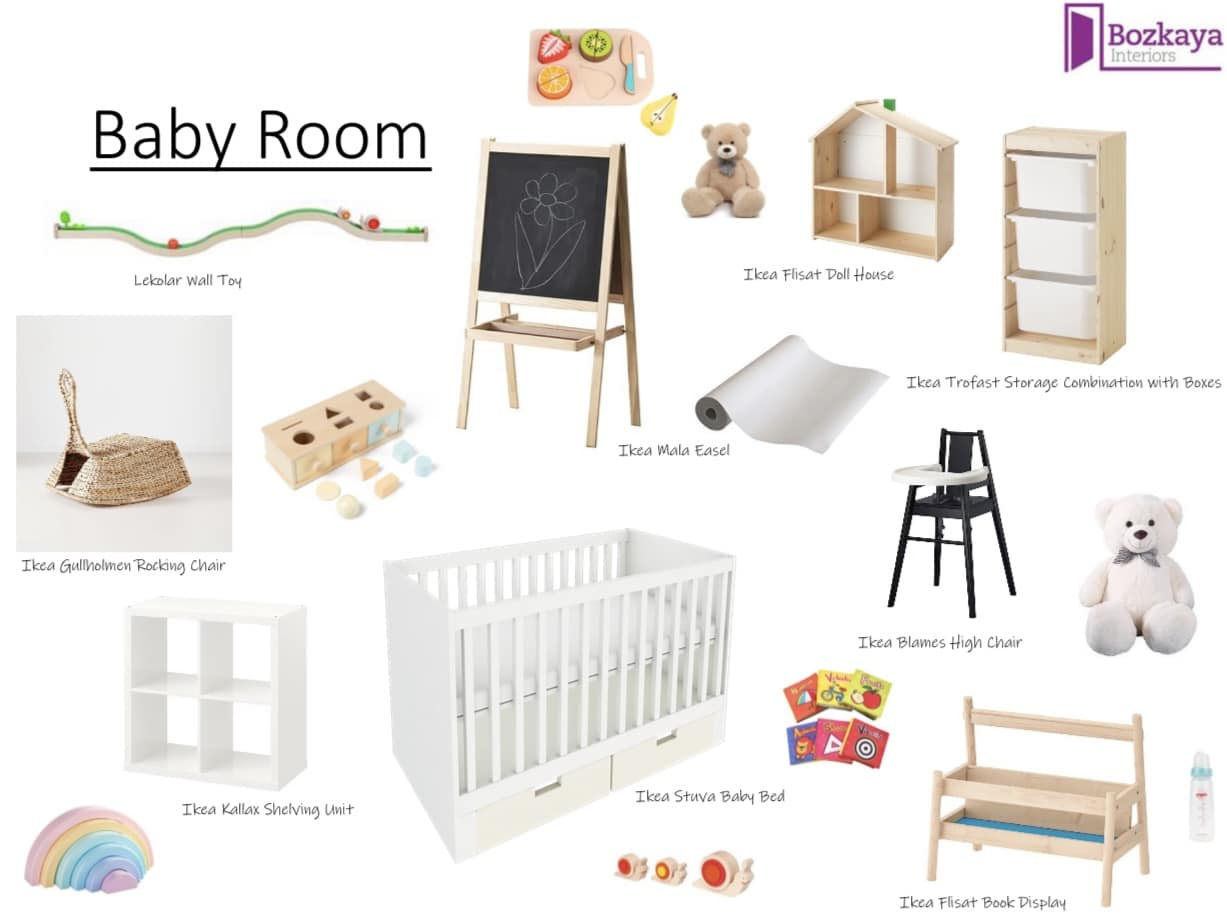
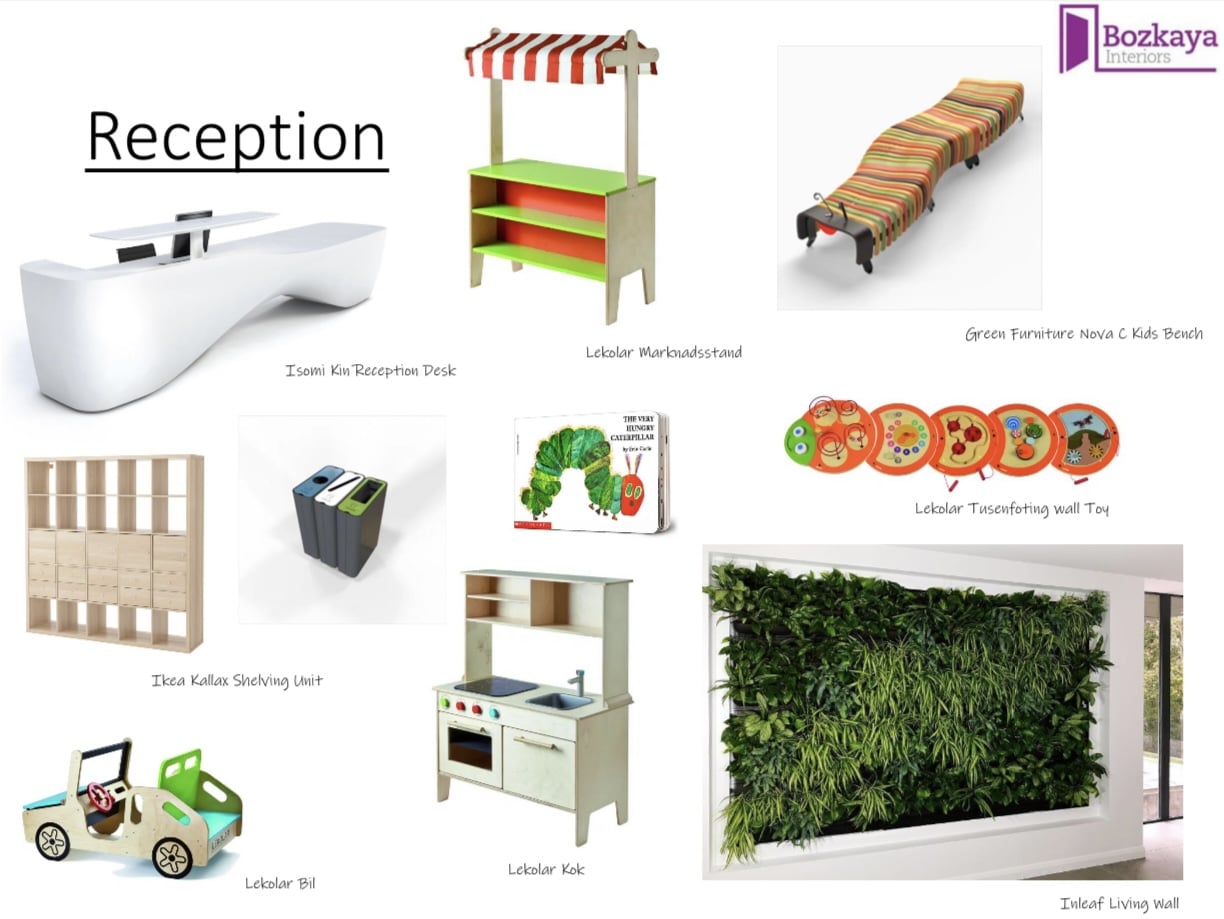
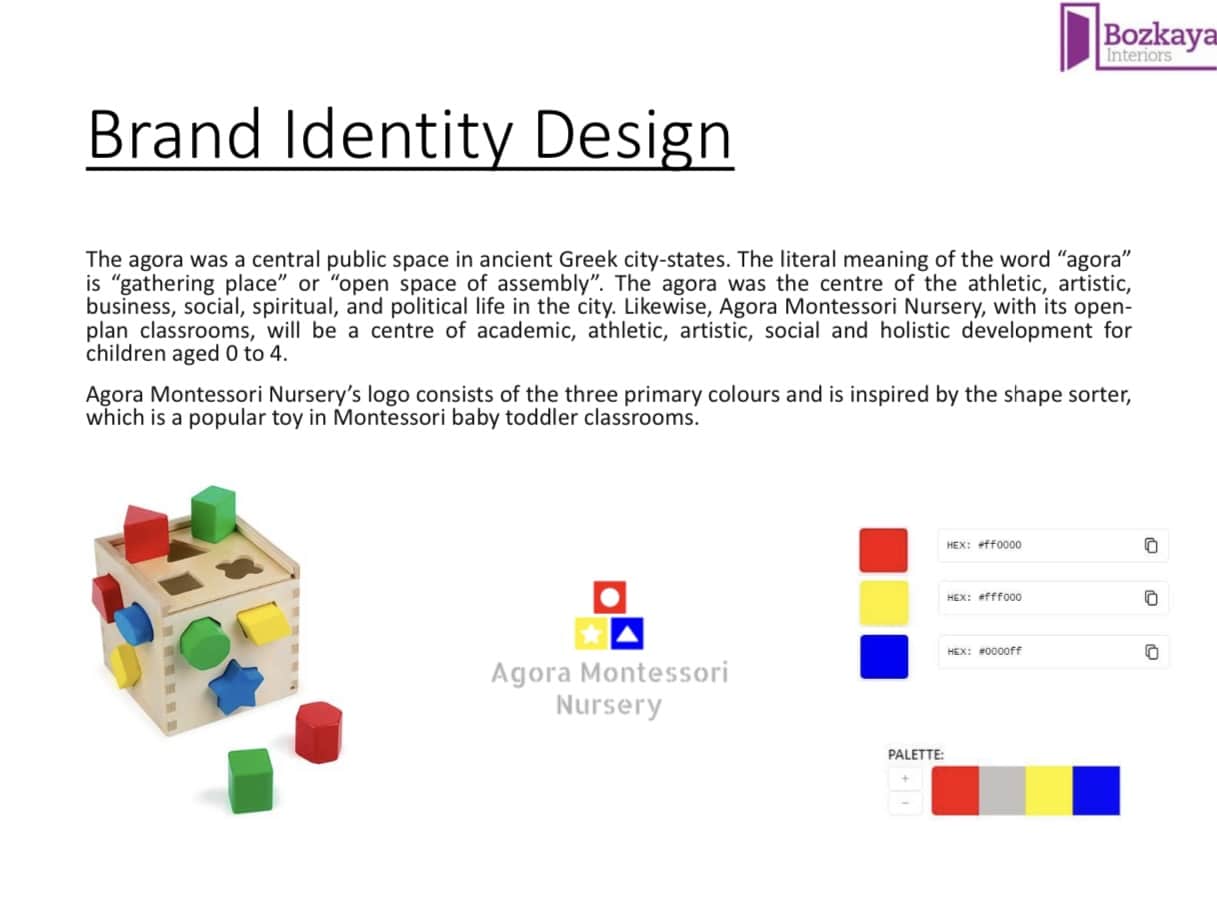
My Master’s dissertation and final project focused on learning space design, exploring how early childhood pedagogies such as Montessori, Reggio Emilia, and Waldorf can inform and shape nursery interior design. Through this work, I examined how learning environments should not only be visually appealing to adults but also developmentally enriching for children.
Effective learning spaces must reflect a school’s pedagogy, and educators must be trained and equipped to use them intentionally. For example, in open-plan settings for younger learners, carefully designed provocations (open-ended activities or invitations to explore) are essential to make optimal use of the space and to prevent chaos and injuries.
What experience has shaped your career most so far?
Recently, I had the honour of being invited to PULSE 2025, India’s leading international conference on learning space design, as a panelist and speaker.
My session, titled “The 3 Generations of School Design: Leadership, Policy, and Future-Proofing the Learning Space,” explored the evolution of design, from hand-drawn floorplans created with T-squares and technical drawing classes, to computer-aided design and now AI-assisted workflows.


I also highlighted the importance of designing learning environments that are not only visually appealing to adults but also developmentally enriching for children.
This conference was very close to my heart because it brought together two very different sectors, education and design, in a shared vision for creating purposeful, user-friendly spaces where both children and educators can thrive.
Educators and architects may not always speak the same language, but platforms like PULSE help bridge that communication gap through dialogue, mutual understanding, and shared intent.
Your interior design style in 3 words?
Timeless.
User-centred.
Sustainable.

What are your plans for your future?
After completing my BA and MA in Interior Design, I am now pursuing a UK Level 5 Diploma in Leadership and Management for Children, Young People and Families in the Community (RQF) to qualify for leadership roles in early childhood settings.
My long-term dream is to open and manage my own nursery or preschool, designed entirely by me, where my passion for education and interior design come together to create meaningful, child-centred learning environments.


Your design journey starts here
Ayse’s journey shows how interior design education can evolve into specialist, purpose-led practice. Through research, real-world application and continued learning, interior design has allowed her to design spaces that shape how children learn, behave and thrive.
The National Design Academy played a central role in making this possible through its academic rigour, flexible study options and tutor support, providing the foundation for a career where design and education meet with purpose.