Design trends do not really matter unless they make everyday life feel better. When people search for interior design trends in 2026, they are often looking for ideas that feel realistic, comforting and easy to live with.
As we move into 2026, homes and gardens are becoming less about making a statement and more about creating spaces that feel comfortable, calm and personal. People want rooms that work for real life. Places to switch off, feel grounded and enjoy being at home.
Homes and outdoor spaces are becoming softer, more personal and more connected to nature, with technology quietly supporting how we live rather than taking centre stage. In 2026, our tutors believe we will see a clear shift away from fast trends and bold statements, and towards interiors and gardens that feel warm, welcoming and easy to live in.
These predictions come straight from the experience of our tutor team, practising designers who work across interiors, gardens and the wider design industry. Together, they offer a grounded interior and garden design forecast for 2026 that reflects how homes are actually being designed and used. This guide brings together what they are seeing right now, offering ideas, inspiration and practical insight to help you feel excited about designing for 2026.
INTERIOR DESIGN TRENDS IN 2026
The following interior trends reflect what our tutors are already seeing emerge through client briefs, student work and industry conversations offering a grounded, experience-led view of what 2026 will bring.
Layered Patterns and Blue‑Led Palettes
After years of pared-back interiors, homes are ready for a little more personality. One of the strongest interior design shifts for 2026 is the move towards layered patterns and blue-led palettes, a direction already emerging across residential interior design.
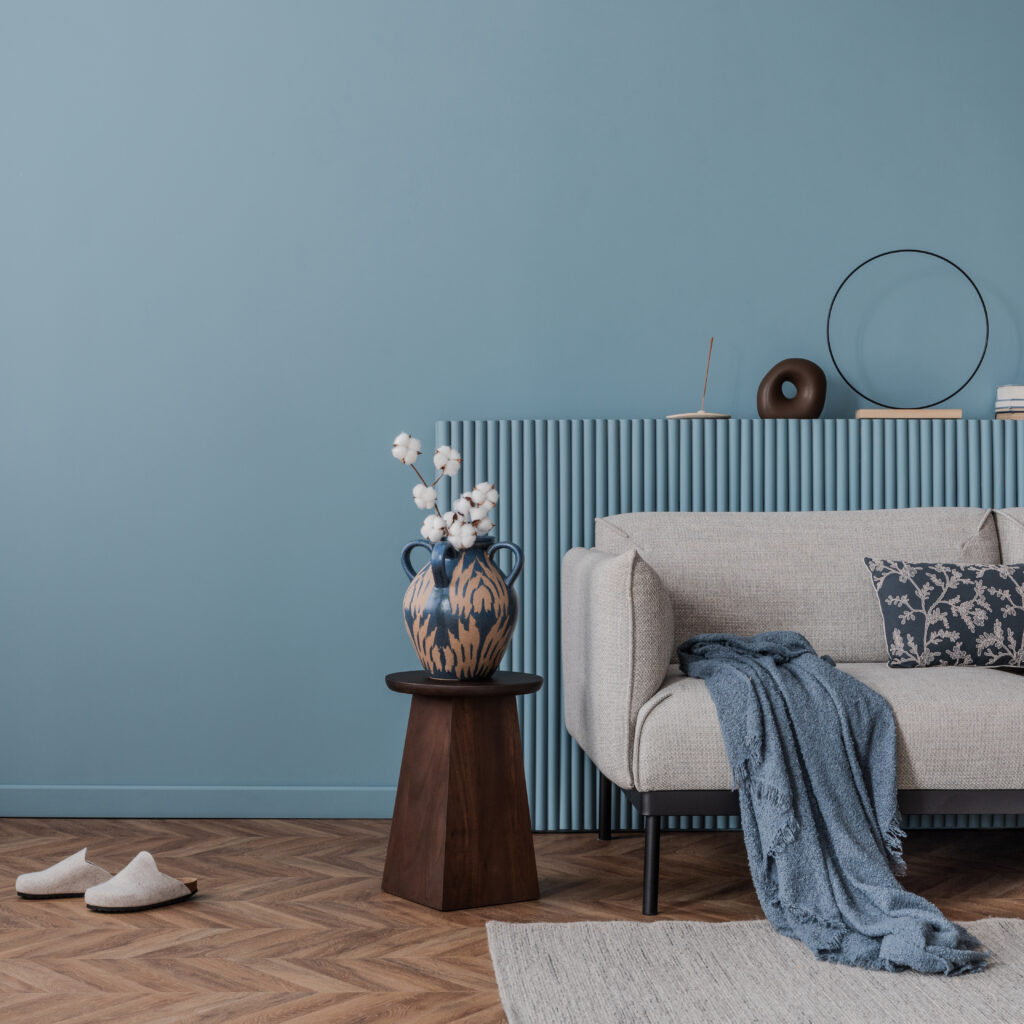
Rather than choosing a single colour direction, the year embraces a broader, softer mix of tones. Pattern layering is becoming more expressive, often taking inspiration from classic ceramics such as Delftware and willow motifs. These familiar patterns bring a sense of history and comfort into the home, and the use of gentle blues creates a calming, collected look. Homes in 2026 feel more personal and characterful, with patterns used in a way that feels lived-in rather than overly styled.
The ‘Always Autumn’ Colour Story
Comfort takes the spotlight in 2026, and this is reflected in the rise of the “Always Autumn” colour story, one of the defining interior colour trends for 2026. A warm, natural aesthetic built around gentle, earthy tones. Interiors are shifting towards palettes that feel steady and grounding: warm neutrals, soft browns, terracotta shades and natural textures that bring a sense of calm.

This look is less about following a seasonal trend and more about creating a stable, comforting background that feels good all year round. It reflects a desire for slower living and for spaces that genuinely support rest and wellbeing.
Midimalism and Meaningful Interiors
Alongside this move towards warmth sits midimalism, a softer, more relaxed take on minimalism that feels far more human and is quickly becoming a key interior design trend for 2026. Instead of focusing on having less, midimalism focuses on having what feels meaningful. Rooms are more curated than cluttered, with nostalgic pieces, vintage finds and personal objects adding character. It’s a style that celebrates comfort, warmth and emotional connection, offering a relaxed alternative to the starkness of traditional minimalism.

Organic Curves and Sculptural Forms
As people design more emotionally led homes, sculptural forms and organic curves continue to grow in popularity throughout 2026, shaping furniture trends and spatial design choices. Furniture and architectural details are becoming rounder and gentler, moving away from sharp lines. Curved sofas, rounded tables and soft archways create a sense of flow, while natural materials such as clay, limewash, stone and woven fibres add texture and warmth. These shapes and surfaces help interiors feel more inviting and intuitive, creating spaces that encourage people to slow down.

Craftsmanship and Quiet Luxury
Rounding out the interior design trends for 2026 is a renewed appreciation for craftsmanship and quiet luxury, particularly within residential interiors. Rather than bold, glossy finishes, homeowners are choosing natural stone, expressive woods and hand-finished details. Earthy palettes are becoming richer and deeper, bringing in warm plums, muted blues and soft greens. The focus is on pieces that feel well made and enduring — items chosen for longevity rather than for trend alone.

GARDEN & OUTDOOR DESIGN TRENDS FOR 2026
These garden design trends are informed by tutor insight from across landscape, outdoor living and sustainable design practice, focusing on how gardens will function and feel in 2026.
Smart Sustainability and Low‑Impact Living
Outdoor spaces in 2026 mirror the mood of the home, calm, functional and designed with sustainability in mind. Smart sustainability is becoming a standard expectation rather than a design extra. currently, gardens are increasingly getting shaped by technology that helps reduce waste, from irrigation systems that monitor soil moisture and adjust water use automatically to lighting that adapts to changing daylight.

Planting schemes also prioritise biodiversity, with designs that support pollinators and reduce water consumption. The goal is to create gardens that work with the environment instead of against it, making sustainable garden design a defining trend for 2026.
Tech‑Enabled Outdoor Spaces for Everyday Living
Technology continues to support outdoor living in subtle but meaningful ways, quietly improving how gardens are used without dominating the design. App-controlled systems make it easier to manage watering, lighting and heating, while automated sensors help homeowners maintain healthy plants with minimal effort. These tools contribute to gardens that are more functional year-round, allowing outdoor spaces to serve as places to work, relax or socialise. The emphasis is on practicality and comfort rather than flashy innovation, and on using technology to create outdoor areas that are both efficient and enjoyable.
🌟 OVERALL LOOK & FEEL OF 2026
Taken together, these tutor-led predictions highlight a clear shift in how designers are thinking about space, wellbeing and longevity as we move into 2026.
Taken together, the interior and garden design trends of 2026 share a clear and reassuring mood, offering a joined-up view of how homes will look and feel. Homes and gardens are becoming warmer, softer and more intentional. Interiors lean into natural tones, layered textures and gentle shapes, while outdoor spaces embrace sustainability and subtle technological support. The focus throughout is on creating environments that feel grounding and meaningful – places where people can slow down, feel connected and enjoy being at home.
❓ FAQs About Design Trends in 2026
What are the top interior design trends for 2026?
Warm neutrals, layered patterns, gentle curves, natural materials and crafted details lead the year.
What colours are trending in 2026?
Earthy tones, rich plums, muted blues and warm natural palettes.
Are curves still in style in 2026?
Yes — curved furniture and sculptural silhouettes remain popular for their softness and comfort.
What style is replacing minimalism?
Midimalism, a warmer and more personal version of minimalism, is becoming more prominent.
What are the big outdoor trends for 2026?
Smart sustainability, low-water planting, and tech-supported garden management.
How can I make my home feel more modern?
Use natural materials, choose warm tones, introduce more curves and invest in well-crafted pieces with longevity.